حمٓ
Hā-Meeem.
Ha, Meem.
44:1
وَالْكِتَابِ الْمُبِينِ
Wal Kitaabil Mubeen
By the clear Book,
44:2
Noun
وَٱلْكِتَـٰبِ
By the Book
wal-kitābi
Noun
ٱلْمُبِينِ
the clear
l-mubīni
إِنَّا أَنزَلْنَاهُ فِي لَيْلَةٍ مُّبَارَكَةٍ ۚ إِنَّا كُنَّا مُنذِرِينَ
Innaa anzalnaahu fee lailatim mubaarakah; innaa kunnaa munzireen
Indeed, We sent it down during a blessed
night. Indeed, We were to warn [mankind].
44:3
Particle
إِنَّآ
Indeed, We
innā
Verb
أَنزَلْنَـٰهُ
revealed it
anzalnāhu
Noun
مُّبَـٰرَكَةٍ ۚ
Blessed
mubārakatin
Particle
إِنَّا
Indeed, We
innā
Noun
مُنذِرِينَ
(ever) warning
mundhirīna
فِيهَا يُفْرَقُ كُلُّ أَمْرٍ حَكِيمٍ
Feehaa yufraqu kullu amrin hakeem
Therein [i.e., on that night] is made distinct every precise matter -
44:4
Particle
فِيهَا
Therein
fīhā
Verb
يُفْرَقُ
is made distinct
yuf'raqu
أَمْرًا مِّنْ عِندِنَا ۚ إِنَّا كُنَّا مُرْسِلِينَ
Amram min 'indinaa; innaa kunnaa mursileen
[Every] matter [proceeding] from Us. Indeed, We were to send [a messenger].
44:5
Noun
أَمْرًۭا
A command
amran
Particle
إِنَّا
Indeed, We
innā
Noun
مُرْسِلِينَ
(ever) sending
mur'silīna
رَحْمَةً مِّن رَّبِّكَ ۚ إِنَّهُ هُوَ السَّمِيعُ الْعَلِيمُ
Rahmatam mir Rabbik; innahoo Huwas Samee'ul 'Aleem
As a mercy from your Lord. Indeed, He is the Hearing, the Knowing.
44:6
Noun
رَحْمَةًۭ
As Mercy
raḥmatan
Noun
رَّبِّكَ ۚ
your Lord
rabbika
Particle
إِنَّهُۥ
Indeed, He
innahu
Noun
ٱلسَّمِيعُ
(is) the All-Hearer
l-samīʿu
Noun
ٱلْعَلِيمُ
the All-Knower
l-ʿalīmu
رَبِّ السَّمَاوَاتِ وَالْأَرْضِ وَمَا بَيْنَهُمَا ۖ إِن كُنتُم مُّوقِنِينَ
Rabbis samaawaati wal ardi wa maa bainahumaa in kuntum mooqineen
Lord of the heavens and the
earth and whatever is between them - if you would be certain.
44:7
Noun
ٱلسَّمَـٰوَٰتِ
(of) the heavens
l-samāwāti
Noun
وَمَا
and whatever
wamā
Noun
بَيْنَهُمَآ ۖ
(is) between both of them
baynahumā
Noun
مُّوقِنِينَ
certain
mūqinīna
لَا إِلَٰهَ إِلَّا هُوَ يُحْيِي وَيُمِيتُ ۖ رَبُّكُمْ وَرَبُّ آبَائِكُمُ الْأَوَّلِينَ
Laaa ilaaha illaa Huwa yuhyee wa yumeetu Rabbukum wa Rabbu aabaaa'ikumul awwaleen
There is no deity except Him; He gives life and causes
death. [He is] your Lord and the Lord of your first forefathers.
44:8
Particle
لَآ
(There is) no
lā
Verb
يُحْىِۦ
He gives life
yuḥ'yī
Noun
رَبُّكُمْ
your Lord
rabbukum
Noun
وَرَبُّ
and (the) Lord
warabbu
Noun
ءَابَآئِكُمُ
(of) your fathers
ābāikumu
Noun
ٱلْأَوَّلِينَ
the former
l-awalīna
بَلْ هُمْ فِي شَكٍّ يَلْعَبُونَ
Bal hum fee shakkin yal'aboon
But they are in doubt, amusing themselves.
44:9
Verb
يَلْعَبُونَ
playing
yalʿabūna
فَارْتَقِبْ يَوْمَ تَأْتِي السَّمَاءُ بِدُخَانٍ مُّبِينٍ
Fartaqib Yawma ta'tis samaaa'u bidukhaanim mubeen
Then watch for the Day when the sky will bring a visible smoke.
44:10
Verb
فَٱرْتَقِبْ
Then watch
fa-ir'taqib
Noun
يَوْمَ
(for the) Day
yawma
Verb
تَأْتِى
(when) will bring
tatī
Noun
ٱلسَّمَآءُ
the sky
l-samāu
Noun
بِدُخَانٍۢ
smoke
bidukhānin
Noun
مُّبِينٍۢ
visible
mubīnin
يَغْشَى النَّاسَ ۖ هَٰذَا عَذَابٌ أَلِيمٌ
Yaghshan naasa haazaa 'azaabun aleem
Covering the people; this is a painful torment.
44:11
Verb
يَغْشَى
Enveloping
yaghshā
Noun
ٱلنَّاسَ ۖ
the people
l-nāsa
Noun
عَذَابٌ
(will be) a punishment
ʿadhābun
Noun
أَلِيمٌۭ
painful
alīmun
رَّبَّنَا اكْشِفْ عَنَّا الْعَذَابَ إِنَّا مُؤْمِنُونَ
Rabanak shif 'annal 'azaaba innaa mu'minoon
[They will say], "Our Lord, remove from us the torment; indeed, we are believers."
44:12
Noun
رَّبَّنَا
Our Lord
rabbanā
Particle
عَنَّا
from us
ʿannā
Noun
ٱلْعَذَابَ
the punishment
l-ʿadhāba
Particle
إِنَّا
indeed, we
innā
Noun
مُؤْمِنُونَ
(are) believers
mu'minūna
أَنَّىٰ لَهُمُ الذِّكْرَىٰ وَقَدْ جَاءَهُمْ رَسُولٌ مُّبِينٌ
Annaa lahumuz zikraa wa qad jaaa'ahum Rasoolum mubeen
How will there be for them a reminder [at that time]? And there had already come to them a clear Messenger.
44:13
Particle
أَنَّىٰ
How can
annā
Particle
لَهُمُ
(there be) for them
lahumu
Noun
ٱلذِّكْرَىٰ
the reminder
l-dhik'rā
Particle
وَقَدْ
when verily
waqad
Verb
جَآءَهُمْ
had come to them
jāahum
Noun
رَسُولٌۭ
a Messenger
rasūlun
Noun
مُّبِينٌۭ
clear
mubīnun
ثُمَّ تَوَلَّوْا عَنْهُ وَقَالُوا مُعَلَّمٌ مَّجْنُونٌ
Summa tawallaw 'anhu wa qaaloo mu'allamum majnoon
Then they turned away from him and said, "[He is] taught [by others] and a madman."
44:14
Verb
تَوَلَّوْا۟
they turned away
tawallaw
Particle
عَنْهُ
from him
ʿanhu
Verb
وَقَالُوا۟
and said
waqālū
Noun
مُعَلَّمٌۭ
One taught
muʿallamun
Noun
مَّجْنُونٌ
a mad man
majnūnun
إِنَّا كَاشِفُو الْعَذَابِ قَلِيلًا ۚ إِنَّكُمْ عَائِدُونَ
Innaa kaashiful 'azaabi qaleelan innakum 'aaa'idoon
Indeed, We will remove the torment for a little. Indeed, you [disbelievers] will return [to disbelief].
44:15
Particle
إِنَّا
Indeed, We
innā
Noun
كَاشِفُوا۟
(will) remove
kāshifū
Noun
ٱلْعَذَابِ
the punishment
l-ʿadhābi
Noun
قَلِيلًا ۚ
a little
qalīlan
Particle
إِنَّكُمْ
indeed, you
innakum
Noun
عَآئِدُونَ
(will) return
ʿāidūna
يَوْمَ نَبْطِشُ الْبَطْشَةَ الْكُبْرَىٰ إِنَّا مُنتَقِمُونَ
Yawma nabtishul batsha tal kubraa innaa muntaqimoon
The Day We will strike with the greatest assault, indeed, We will take retribution.
44:16
Verb
نَبْطِشُ
We will seize
nabṭishu
Noun
ٱلْبَطْشَةَ
(with) the seizure
l-baṭshata
Noun
ٱلْكُبْرَىٰٓ
the greatest
l-kub'rā
Particle
إِنَّا
indeed, We
innā
Noun
مُنتَقِمُونَ
(will) take retribution
muntaqimūna
۞ وَلَقَدْ فَتَنَّا قَبْلَهُمْ قَوْمَ فِرْعَوْنَ وَجَاءَهُمْ رَسُولٌ كَرِيمٌ
Wa laqad fatannaa qablahum qawma Fir'awna wa jaaa'ahum Rasoolun kareem
And We had already tried before them the people of
Pharaoh, and there came to them a noble messenger,
44:17
Particle
۞ وَلَقَدْ
And certainly
walaqad
Verb
فَتَنَّا
We tried
fatannā
Noun
قَبْلَهُمْ
before them
qablahum
Noun
قَوْمَ
(the) people
qawma
Proper Noun
فِرْعَوْنَ
(of) Firaun
fir'ʿawna
Verb
وَجَآءَهُمْ
and came to them
wajāahum
Noun
رَسُولٌۭ
a Messenger
rasūlun
أَنْ أَدُّوا إِلَيَّ عِبَادَ اللَّهِ ۖ إِنِّي لَكُمْ رَسُولٌ أَمِينٌ
An addooo ilaiya 'ibaadal laahi innee lakum rasoolun ameen
[Saying], "Render to me the servants of Allah. Indeed, I am to you a trustworthy messenger,"
44:18
Particle
إِلَىَّ
to me
ilayya
Noun
عِبَادَ
(the) servants
ʿibāda
Proper Noun
ٱللَّهِ ۖ
(of) Allah
l-lahi
Particle
إِنِّى
Indeed, I am
innī
Particle
لَكُمْ
to you
lakum
Noun
رَسُولٌ
a Messenger
rasūlun
Noun
أَمِينٌۭ
trustworthy
amīnun
وَأَن لَّا تَعْلُوا عَلَى اللَّهِ ۖ إِنِّي آتِيكُم بِسُلْطَانٍ مُّبِينٍ
Wa al laa ta'loo 'alal laahi innee aateekum bisultaanim mubeen
And [saying], "Be not haughty with Allah. Indeed, I have come to you with clear authority.
44:19
Particle
وَأَن
And that
wa-an
Verb
تَعْلُوا۟
exalt yourselves
taʿlū
Proper Noun
ٱللَّهِ ۖ
Allah
l-lahi
Particle
إِنِّىٓ
Indeed, I
innī
Verb
ءَاتِيكُم
[I] have come to you
ātīkum
Noun
بِسُلْطَـٰنٍۢ
with an authority
bisul'ṭānin
Noun
مُّبِينٍۢ
clear
mubīnin
وَإِنِّي عُذْتُ بِرَبِّي وَرَبِّكُمْ أَن تَرْجُمُونِ
Wa innee 'uztu bi Rabbee wa Rabbikum an tarjumoon
And indeed, I have sought refuge in my Lord and your Lord, lest you stone me.
44:20
Particle
وَإِنِّى
And indeed, I
wa-innī
Verb
عُذْتُ
[I] seek refuge
ʿudh'tu
Noun
بِرَبِّى
with my Lord
birabbī
Noun
وَرَبِّكُمْ
and your Lord
warabbikum
Verb
تَرْجُمُونِ
you stone me
tarjumūni
وَإِن لَّمْ تُؤْمِنُوا لِي فَاعْتَزِلُونِ
Wa il lam tu'minoo lee fa'taziloon
But if you do not believe me, then leave me alone."
44:21
Verb
تُؤْمِنُوا۟
you believe
tu'minū
Verb
فَٱعْتَزِلُونِ
then leave me alone
fa-iʿ'tazilūni
فَدَعَا رَبَّهُ أَنَّ هَٰؤُلَاءِ قَوْمٌ مُّجْرِمُونَ
Fada'aa Rabbahooo anna haaa'ulaaa'i qawmum mujrimoon
And [he was told], "Then set out with My servants by night. Indeed, you are to be pursued.
44:22
Verb
فَدَعَا
So he called
fadaʿā
Noun
رَبَّهُۥٓ
his Lord
rabbahu
Pronoun
هَـٰٓؤُلَآءِ
these
hāulāi
Noun
قَوْمٌۭ
(are) a people
qawmun
Noun
مُّجْرِمُونَ
muj'rimūna
فَأَسْرِ بِعِبَادِي لَيْلًا إِنَّكُم مُّتَّبَعُونَ
Fa asri bi'ibaadee lailan innakum muttaba'oon
So travel with My servants by night. Indeed, you will be pursued.
44:23
Verb
فَأَسْرِ
Then "Set out
fa-asri
Noun
بِعِبَادِى
with My slaves
biʿibādī
Noun
لَيْلًا
(by) night
laylan
Particle
إِنَّكُم
Indeed, you
innakum
Noun
مُّتَّبَعُونَ
(will be) followed
muttabaʿūna
وَاتْرُكِ الْبَحْرَ رَهْوًا ۖ إِنَّهُمْ جُندٌ مُّغْرَقُونَ
Watrukil bahra rahwan innahum jundum mughraqoon
And leave the
sea in stillness. Indeed, they are a host to be drowned."
44:24
Verb
وَٱتْرُكِ
And leave
wa-ut'ruki
Noun
رَهْوًا ۖ
at rest
rahwan
Particle
إِنَّهُمْ
Indeed, they
innahum
Noun
جُندٌۭ
(are) an army
jundun
Noun
مُّغْرَقُونَ
(to be) drowned
mugh'raqūna
كَمْ تَرَكُوا مِن جَنَّاتٍ وَعُيُونٍ
Kam tarakoo min jannaatinw wa 'uyoon
How much they left behind of gardens and springs
44:25
Verb
تَرَكُوا۟
(did) they leave
tarakū
Noun
جَنَّـٰتٍۢ
gardens
jannātin
Noun
وَعُيُونٍۢ
and springs
waʿuyūnin
وَزُرُوعٍ وَمَقَامٍ كَرِيمٍ
Wa zuroo'inw wa maqaa min kareem
And crops and noble sites
44:26
Noun
وَزُرُوعٍۢ
And cornfields
wazurūʿin
Noun
وَمَقَامٍۢ
and places
wamaqāmin
وَنَعْمَةٍ كَانُوا فِيهَا فَاكِهِينَ
Wa na'matin kaanoo feehaa faakiheen
And comfort wherein they were amused.
44:27
Noun
وَنَعْمَةٍۢ
And pleasant things
wanaʿmatin
Verb
كَانُوا۟
they used to
kānū
Particle
فِيهَا
therein
fīhā
Noun
فَـٰكِهِينَ
take delight
fākihīna
كَذَٰلِكَ ۖ وَأَوْرَثْنَاهَا قَوْمًا آخَرِينَ
Kazaalika wa awrasnaahaa qawman aakhareen
Thus. And We caused to inherit it another people.
44:28
Particle
كَذَٰلِكَ ۖ
Thus
kadhālika
Verb
وَأَوْرَثْنَـٰهَا
And We made it (an) inherit(ance)
wa-awrathnāhā
Noun
قَوْمًا
(for) a people
qawman
Noun
ءَاخَرِينَ
another
ākharīna
فَمَا بَكَتْ عَلَيْهِمُ السَّمَاءُ وَالْأَرْضُ وَمَا كَانُوا مُنظَرِينَ
Famaa bakat 'alaihimus samaaa'u wal ardu wa maa kaanoo munzareen
And the
heaven and earth wept not for them, nor were they reprieved.
44:29
Particle
عَلَيْهِمُ
for them
ʿalayhimu
Noun
وَٱلْأَرْضُ
and the earth
wal-arḍu
Verb
كَانُوا۟
they were
kānū
Noun
مُنظَرِينَ
given respite
munẓarīna
وَلَقَدْ نَجَّيْنَا بَنِي إِسْرَائِيلَ مِنَ الْعَذَابِ الْمُهِينِ
Wa laqad najjainaa Baneee Israaa'eela minal 'azaabil muheen
And We certainly saved the Children of Israel from the humiliating torment -
44:30
Particle
وَلَقَدْ
And certainly
walaqad
Verb
نَجَّيْنَا
We saved
najjaynā
Noun
بَنِىٓ
(the) Children of Israel
banī
Proper Noun
إِسْرَٰٓءِيلَ
(the) Children of Israel
is'rāīla
Noun
ٱلْعَذَابِ
the punishment
l-ʿadhābi
Noun
ٱلْمُهِينِ
the humiliating
l-muhīni
مِن فِرْعَوْنَ ۚ إِنَّهُ كَانَ عَالِيًا مِّنَ الْمُسْرِفِينَ
Min Fir'awn; innahoo kaana 'aaliyam minal musrifeen
From
Pharaoh. Indeed, he was a tyrant among the transgressors.
44:31
Proper Noun
فِرْعَوْنَ ۚ
Firaun
fir'ʿawna
Particle
إِنَّهُۥ
Indeed, he
innahu
Noun
عَالِيًۭا
arrogant
ʿāliyan
Noun
ٱلْمُسْرِفِينَ
the transgressors
l-mus'rifīna
وَلَقَدِ اخْتَرْنَاهُمْ عَلَىٰ عِلْمٍ عَلَى الْعَالَمِينَ
Wa laqadikh tarnaahum 'alaa 'ilmin 'alal 'aalameen
And We chose them by
knowledge over all the worlds.
44:32
Particle
وَلَقَدِ
And certainly
walaqadi
Verb
ٱخْتَرْنَـٰهُمْ
We chose them
ikh'tarnāhum
Noun
ٱلْعَـٰلَمِينَ
the worlds
l-ʿālamīna
وَآتَيْنَاهُم مِّنَ الْآيَاتِ مَا فِيهِ بَلَاءٌ مُّبِينٌ
Wa aatainaahum minal Aayaati maa feehi balaaa'um mubeen
And We gave them of signs that in which there was a clear trial.
44:33
Verb
وَءَاتَيْنَـٰهُم
And We gave them
waātaynāhum
Noun
ٱلْـَٔايَـٰتِ
the Signs
l-āyāti
Noun
بَلَـٰٓؤٌۭا۟
(was) a trial
balāon
إِنَّ هَٰؤُلَاءِ لَيَقُولُونَ
Inna haaa'ulaaa'i la yaqooloon
Indeed, these [disbelievers] are saying,
44:34
Pronoun
هَـٰٓؤُلَآءِ
these
hāulāi
Verb
لَيَقُولُونَ
surely, they say
layaqūlūna
إِنْ هِيَ إِلَّا مَوْتَتُنَا الْأُولَىٰ وَمَا نَحْنُ بِمُنشَرِينَ
In hiya illaa mawtatunal oolaa wa maa nahnu bimunshareen
"There is not but our first death, and we will not be resurrected.
44:35
Particle
إِلَّا
(is) but
illā
Noun
مَوْتَتُنَا
our death
mawtatunā
Noun
ٱلْأُولَىٰ
the first
l-ūlā
Noun
بِمُنشَرِينَ
(will be) raised again
bimunsharīna
فَأْتُوا بِآبَائِنَا إِن كُنتُمْ صَادِقِينَ
Fa'too bi aabaaa'inaaa in kuntum saadiqeen
Then bring back our forefathers, if you should be truthful."
44:36
Verb
فَأْتُوا۟
Then bring
fatū
Noun
بِـَٔابَآئِنَآ
our forefathers
biābāinā
Noun
صَـٰدِقِينَ
truthful
ṣādiqīna
أَهُمْ خَيْرٌ أَمْ قَوْمُ تُبَّعٍ وَالَّذِينَ مِن قَبْلِهِمْ ۚ أَهْلَكْنَاهُمْ ۖ إِنَّهُمْ كَانُوا مُجْرِمِينَ
Ahum khairun am qawmu Tubba'inw wallazeena min qablihim; ahlaknaahum innahum kaanoo mujrimeen
Are they better or the people of Tubba' and those before them? We destroyed them, [for] indeed, they were
criminals.
44:37
Particle
أَهُمْ
Are they
ahum
Noun
قَوْمُ
(the) people
qawmu
Proper Noun
تُبَّعٍۢ
(of) Tubba
tubbaʿin
Pronoun
وَٱلَّذِينَ
and those
wa-alladhīna
Particle
مِن
before them
min
Noun
قَبْلِهِمْ ۚ
before them
qablihim
Verb
أَهْلَكْنَـٰهُمْ ۖ
We destroyed them
ahlaknāhum
Particle
إِنَّهُمْ
indeed, they
innahum
Noun
مُجْرِمِينَ
criminals
muj'rimīna
وَمَا خَلَقْنَا السَّمَاوَاتِ وَالْأَرْضَ وَمَا بَيْنَهُمَا لَاعِبِينَ
Wa maa khalaqnas samaawaati wal arda wa maa bainahumaa laa'ibeen
And We did not create the heavens and earth and what is between them in play.
44:38
Verb
خَلَقْنَا
We created
khalaqnā
Noun
ٱلسَّمَـٰوَٰتِ
the heavens
l-samāwāti
Noun
وَٱلْأَرْضَ
and the earth
wal-arḍa
Noun
وَمَا
and whatever
wamā
Noun
بَيْنَهُمَا
(is) between them
baynahumā
Noun
لَـٰعِبِينَ
(in) play
lāʿibīna
مَا خَلَقْنَاهُمَا إِلَّا بِالْحَقِّ وَلَٰكِنَّ أَكْثَرَهُمْ لَا يَعْلَمُونَ
Maa khalaqnaahumaaa illaa bilhaqqi wa laakinna aksarahum laa ya'lamoon
We did not create them except in truth, but most of them do not know.
44:39
Verb
خَلَقْنَـٰهُمَآ
We created both of them
khalaqnāhumā
Noun
بِٱلْحَقِّ
in [the] truth
bil-ḥaqi
Particle
وَلَـٰكِنَّ
but
walākinna
Noun
أَكْثَرَهُمْ
most of them
aktharahum
Verb
يَعْلَمُونَ
know
yaʿlamūna
إِنَّ يَوْمَ الْفَصْلِ مِيقَاتُهُمْ أَجْمَعِينَ
Inna Yawmal Fasli meeqaatuhum ajma'een
Indeed, the Day of Judgement is the appointed time for them all -
44:40
Noun
يَوْمَ
(the) Day of Judgment
yawma
Noun
ٱلْفَصْلِ
(the) Day of Judgment
l-faṣli
Noun
مِيقَـٰتُهُمْ
(is) an appointed term for them
mīqātuhum
Noun
أَجْمَعِينَ
all
ajmaʿīna
يَوْمَ لَا يُغْنِي مَوْلًى عَن مَّوْلًى شَيْئًا وَلَا هُمْ يُنصَرُونَ
Yawma laa yughnee mawlan 'am mawlan shai'anw wa laa hum yunsaroon
The Day when no relation will avail a relation at all, nor will they be helped -
44:41
Verb
يُغْنِى
will avail
yugh'nī
Noun
مَوْلًى
a relation
mawlan
Noun
مَّوْلًۭى
a relation
mawlan
Noun
شَيْـًۭٔا
anything
shayan
Verb
يُنصَرُونَ
will be helped
yunṣarūna
إِلَّا مَن رَّحِمَ اللَّهُ ۚ إِنَّهُ هُوَ الْعَزِيزُ الرَّحِيمُ
Illaa mar rahimal laah; innahoo Huwal 'Azeezur Raheem
Except him on whom Allah has mercy. Indeed, He is the Exalted in Might, the Merciful.
44:42
Verb
رَّحِمَ
Allah has mercy
raḥima
Proper Noun
ٱللَّهُ ۚ
Allah has mercy
l-lahu
Particle
إِنَّهُۥ
Indeed, He
innahu
Noun
ٱلْعَزِيزُ
(is) the All-Mighty
l-ʿazīzu
Noun
ٱلرَّحِيمُ
the Most Merciful
l-raḥīmu
إِنَّ شَجَرَتَ الزَّقُّومِ
Inna shajarataz Zaqqoom
44:43
طَعَامُ الْأَثِيمِ
Ta'aamul aseem
44:44
Noun
ٱلْأَثِيمِ
(of) the sinner(s)
l-athīmi
كَالْمُهْلِ يَغْلِي فِي الْبُطُونِ
Kalmuhli yaghlee fil butoon
Like murky
oil, it boils within the bellies
44:45
Noun
كَٱلْمُهْلِ
kal-muh'li
Verb
يَغْلِى
it will boil
yaghlī
Noun
ٱلْبُطُونِ
the bellies
l-buṭūni
كَغَلْيِ الْحَمِيمِ
Kaghalyil hameem
Like the boiling of scalding water.
44:46
Noun
كَغَلْىِ
Like boiling
kaghalyi
Noun
ٱلْحَمِيمِ
(of) scalding water
l-ḥamīmi
خُذُوهُ فَاعْتِلُوهُ إِلَىٰ سَوَاءِ الْجَحِيمِ
Khuzoohu fa'tiloohu ilaa sawaaa'il Jaheem
[It will be commanded], "Seize him and drag him into the midst of the Hellfire,
44:47
Verb
خُذُوهُ
Seize him
khudhūhu
Verb
فَٱعْتِلُوهُ
and drag him
fa-iʿ'tilūhu
Noun
سَوَآءِ
(the) midst
sawāi
Noun
ٱلْجَحِيمِ
(of) the Hellfire
l-jaḥīmi
ثُمَّ صُبُّوا فَوْقَ رَأْسِهِ مِنْ عَذَابِ الْحَمِيمِ
Summa subboo fawqa ra'sihee min 'azaabil hameem
Then pour over his head from the torment of scalding water."
44:48
Noun
رَأْسِهِۦ
his head
rasihi
Noun
عَذَابِ
(the) punishment
ʿadhābi
Noun
ٱلْحَمِيمِ
(of) the scalding water
l-ḥamīmi
ذُقْ إِنَّكَ أَنتَ الْعَزِيزُ الْكَرِيمُ
Zuq innaka antal 'Azeezul Kareem
[It will be said], "Taste! Indeed, you are the exalted, the noble!"
44:49
Particle
إِنَّكَ
Indeed, you
innaka
Pronoun
أَنتَ
[you] (were)
anta
Noun
ٱلْعَزِيزُ
the mighty
l-ʿazīzu
Noun
ٱلْكَرِيمُ
the noble
l-karīmu
إِنَّ هَٰذَا مَا كُنتُم بِهِ تَمْتَرُونَ
Inna haazaa maa kuntum bihee tamtaroon
Indeed, this is what you used to dispute.
44:50
Verb
كُنتُم
you used to
kuntum
Particle
بِهِۦ
[about it]
bihi
Verb
تَمْتَرُونَ
doubt
tamtarūna
إِنَّ الْمُتَّقِينَ فِي مَقَامٍ أَمِينٍ
Innal muttaqeena fee maqaa min ameen
Indeed, the
righteous will be in a secure place;
44:51
Noun
ٱلْمُتَّقِينَ
l-mutaqīna
Particle
فِى
(will be) in
fī
Noun
مَقَامٍ
a place
maqāmin
فِي جَنَّاتٍ وَعُيُونٍ
Fee jannaatinw wa 'uyoon
Within gardens and springs,
44:52
Noun
جَنَّـٰتٍۢ
gardens
jannātin
Noun
وَعُيُونٍۢ
and springs
waʿuyūnin
يَلْبَسُونَ مِن سُندُسٍ وَإِسْتَبْرَقٍ مُّتَقَابِلِينَ
Yalbasoona min sundusinw wa istabraqim mutaqaabileen
Dressed in fine silk and brocade, facing one another.
44:53
Verb
يَلْبَسُونَ
Wearing garments
yalbasūna
Noun
سُندُسٍۢ
fine silk
sundusin
Noun
وَإِسْتَبْرَقٍۢ
and heavy silk
wa-is'tabraqin
Noun
مُّتَقَـٰبِلِينَ
facing each other
mutaqābilīna
كَذَٰلِكَ وَزَوَّجْنَاهُم بِحُورٍ عِينٍ
Kazaalika wa zawwajnaahum bihoorin 'een
Thus. And We will
marry them to fair women with large, [beautiful] eyes.
44:54
Particle
كَذَٰلِكَ
Thus
kadhālika
Verb
وَزَوَّجْنَـٰهُم
wazawwajnāhum
Noun
بِحُورٍ
(to) companions with beautiful eyes
biḥūrin
Noun
عِينٍۢ
(to) companions with beautiful eyes
ʿīnin
يَدْعُونَ فِيهَا بِكُلِّ فَاكِهَةٍ آمِنِينَ
Yad'oona feehaa bikulli faakihatin aamineen
They will call therein for every [kind of] fruit, safe and secure.
44:55
Verb
يَدْعُونَ
They will call
yadʿūna
Particle
فِيهَا
therein
fīhā
Noun
بِكُلِّ
for every (kind)
bikulli
Noun
فَـٰكِهَةٍ
(of) fruit
fākihatin
Noun
ءَامِنِينَ
secure
āminīna
لَا يَذُوقُونَ فِيهَا الْمَوْتَ إِلَّا الْمَوْتَةَ الْأُولَىٰ ۖ وَوَقَاهُمْ عَذَابَ الْجَحِيمِ
Laa yazooqoona feehal mawta illal mawtatal oolaa wa waqaahum 'azaabal Jaheem
They will not taste death therein except the first death, and He will have protected them from the punishment of Hellfire
44:56
Verb
يَذُوقُونَ
they will taste
yadhūqūna
Particle
فِيهَا
therein
fīhā
Noun
ٱلْمَوْتَ
the death
l-mawta
Noun
ٱلْمَوْتَةَ
the death
l-mawtata
Noun
ٱلْأُولَىٰ ۖ
the first
l-ūlā
Verb
وَوَقَىٰهُمْ
And He will protect them
wawaqāhum
Noun
عَذَابَ
(from the) punishment
ʿadhāba
Noun
ٱلْجَحِيمِ
(of) the Hellfire
l-jaḥīmi
فَضْلًا مِّن رَّبِّكَ ۚ ذَٰلِكَ هُوَ الْفَوْزُ الْعَظِيمُ
Fadlam mir Rabbik; zaalika huwal fawzul 'azeem
As bounty from your Lord. That is what is the great attainment.
44:57
Noun
فَضْلًۭا
A Bounty
faḍlan
Noun
رَّبِّكَ ۚ
your Lord
rabbika
Pronoun
ذَٰلِكَ
That
dhālika
Noun
ٱلْعَظِيمُ
the great
l-ʿaẓīmu
فَإِنَّمَا يَسَّرْنَاهُ بِلِسَانِكَ لَعَلَّهُمْ يَتَذَكَّرُونَ
Fa innamaa yassarnaahu bilisaanika la'allahum yatazakkaroon
And We have made it [i.e., the Qur’ān] easy in your
tongue that they might be reminded.
44:58
Particle
فَإِنَّمَا
Indeed
fa-innamā
Verb
يَسَّرْنَـٰهُ
We have made it easy
yassarnāhu
Noun
بِلِسَانِكَ
bilisānika
Particle
لَعَلَّهُمْ
so that they may
laʿallahum
Verb
يَتَذَكَّرُونَ
take heed
yatadhakkarūna
فَارْتَقِبْ إِنَّهُم مُّرْتَقِبُونَ
Fartaqib innahum murtaqiboon
So watch, [O Muhammad]; indeed, they are watching [for your end].
44:59
Verb
فَٱرْتَقِبْ
So watch
fa-ir'taqib
Particle
إِنَّهُم
indeed, they
innahum
Noun
مُّرْتَقِبُونَ
(too are) watching
mur'taqibūna


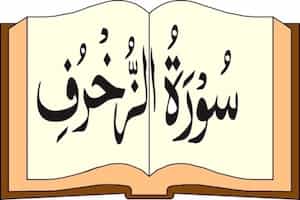 Surah Zukhruf Word by Word English | Translation, Grammar & Transliteration
 Surah Jathiyah Word by Word English | Translation, Grammar & Transliteration